We Didn’t Use the First Idea. Here’s Why.
Why Letting Go of a Good Design Can Sometimes Lead to a Better Product Not every good design idea should make it into the final

Why Letting Go of a Good Design Can Sometimes Lead to a Better Product Not every good design idea should make it into the final
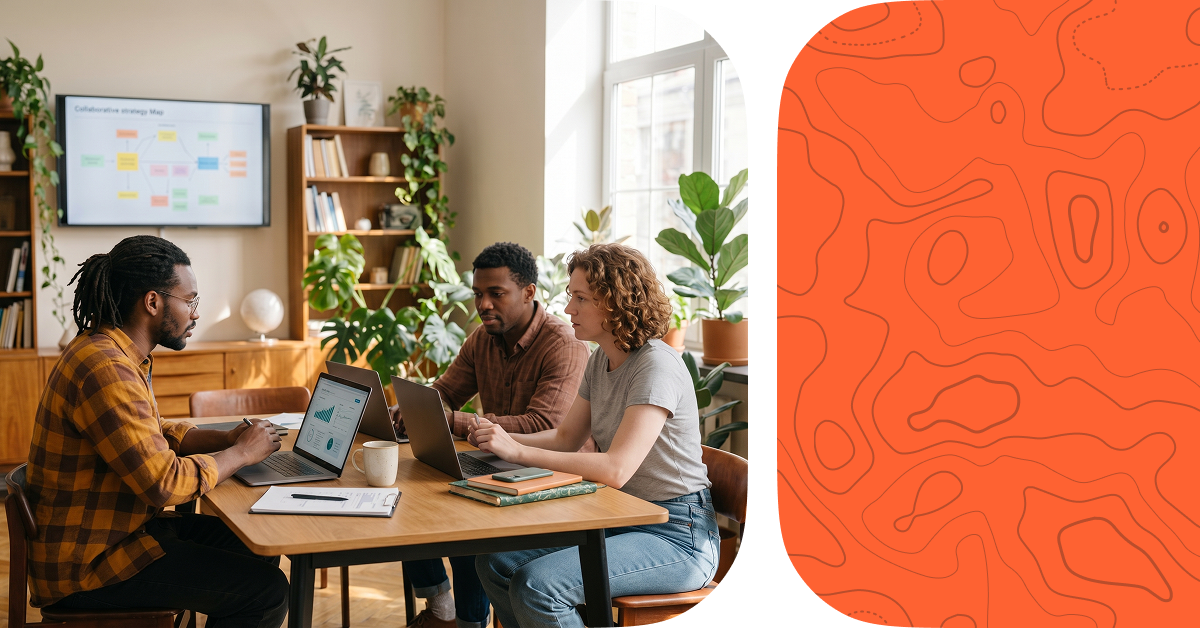
Why the Smallest Interface Decisions Aren’t Always the Simplest Some UX decisions take hours of workshops and exploration. Others look like they should take five
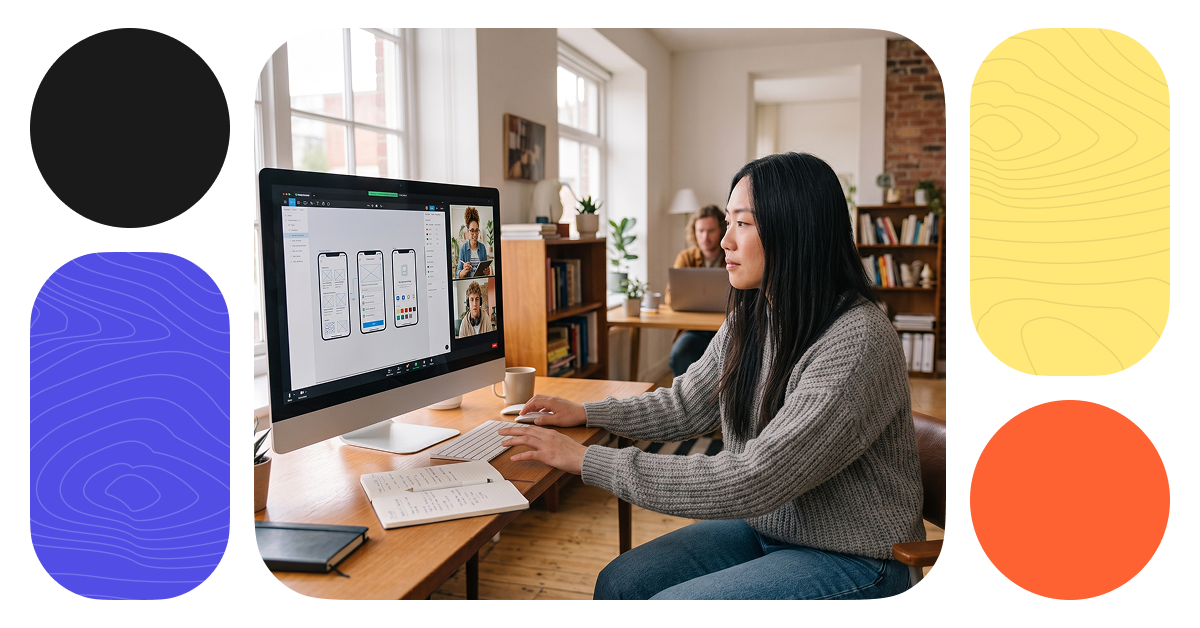
Why “Looks Good” Isn’t Particularly Useful Feedback Design reviews aren’t about deciding whether everyone likes a design. They’re an opportunity to question the thinking behind
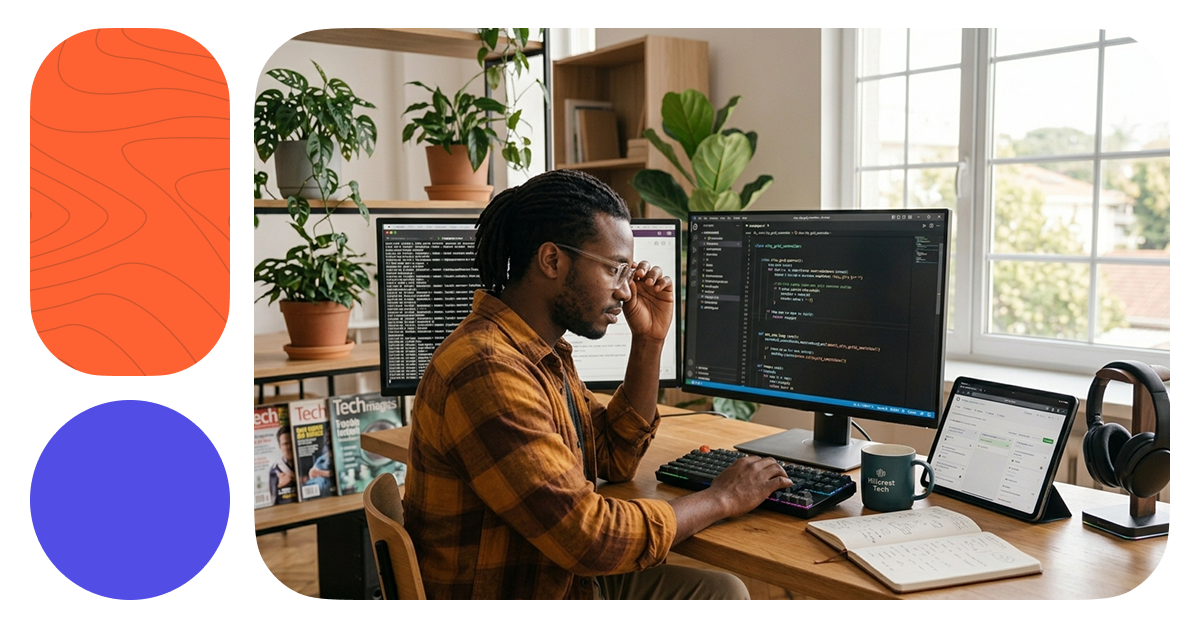
Why Better Products Come From Collaboration, Not Rigid Handoffs The best designer-developer relationships don’t begin when the Figma file is finished. Developers bring technical context,
Same Product. Four Very Different Stages. A finished product rarely looks exactly like the idea that started it. Before the first rough sketch, there are
A Better Case Study Looks at What Became Easier, Clearer, Faster, or Better The final interface is only part of the story. A stronger case
A UX Case Study Told From the Client, Team, and User Perspective The final product only shows where the team landed. It doesn’t show the
How our internal redesign reinforced why UX is more than just design. Redesigning our own website gave us a chance to experience the same questions,
Why Letting Go of a Good Design Can Sometimes Lead to a Better Product Not every good design idea should make it into the final product. Sometimes an approach makes perfect sense at first, only for research, feedback, testing, or deeper exploration to reveal something we hadn’t considered. Changing direction
Why the Smallest Interface Decisions Aren’t Always the Simplest Some UX decisions take hours of workshops and exploration. Others look like they should take five minutes, until you start asking what happens when a real person actually uses them. A label, button placement, default state, or seemingly minor interaction can
Why “Looks Good” Isn’t Particularly Useful Feedback Design reviews aren’t about deciding whether everyone likes a design. They’re an opportunity to question the thinking behind it, bring in different perspectives, and make sure decisions stay connected to user needs and product goals. Sometimes the team agrees. Sometimes we don’t. Both
Why Better Products Come From Collaboration, Not Rigid Handoffs The best designer-developer relationships don’t begin when the Figma file is finished. Developers bring technical context, questions, and perspectives that can uncover gaps in a user experience long before anything ships. When design and development collaborate throughout the process, technical constraints
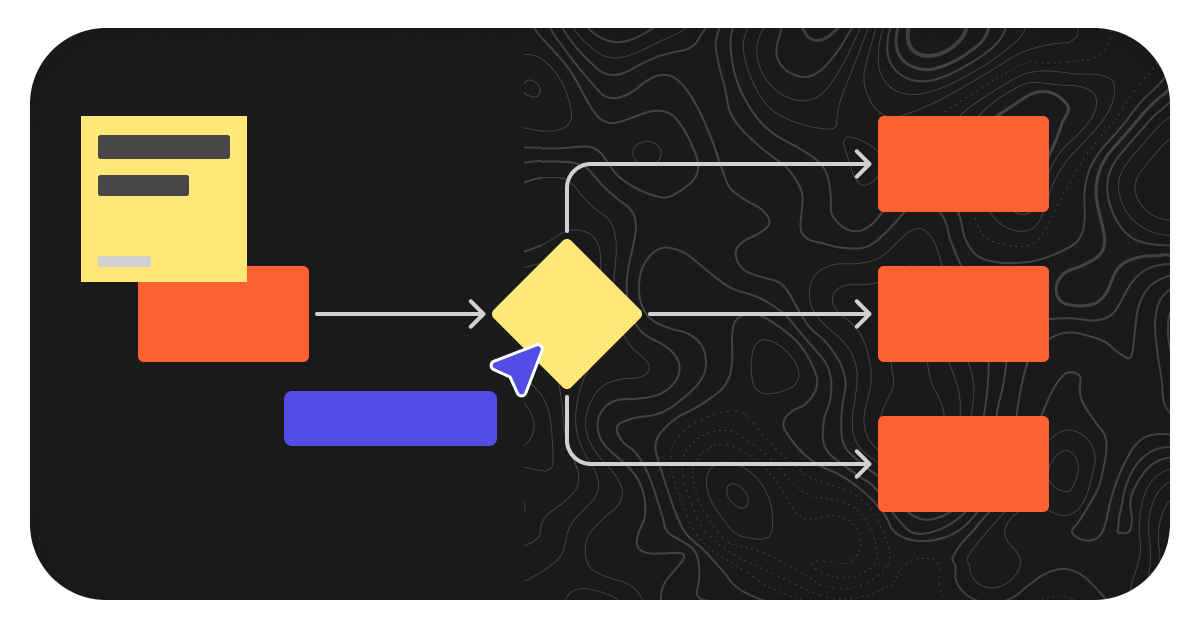
Same Product. Four Very Different Stages. A finished product rarely looks exactly like the idea that started it. Before the first rough sketch, there are already conversations, workshops, journey maps, user story maps, and user flows shaping what the team understands about the problem. From there, the design continues evolving
A Better Case Study Looks at What Became Easier, Clearer, Faster, or Better The final interface is only part of the story. A stronger case study looks at what changed because of the work: what became easier for users, clearer for the client, more efficient for the team, and more
A UX Case Study Told From the Client, Team, and User Perspective The final product only shows where the team landed. It doesn’t show the questions the client was trying to answer, the decisions the design team had to make, or the moments where user needs changed the direction entirely.
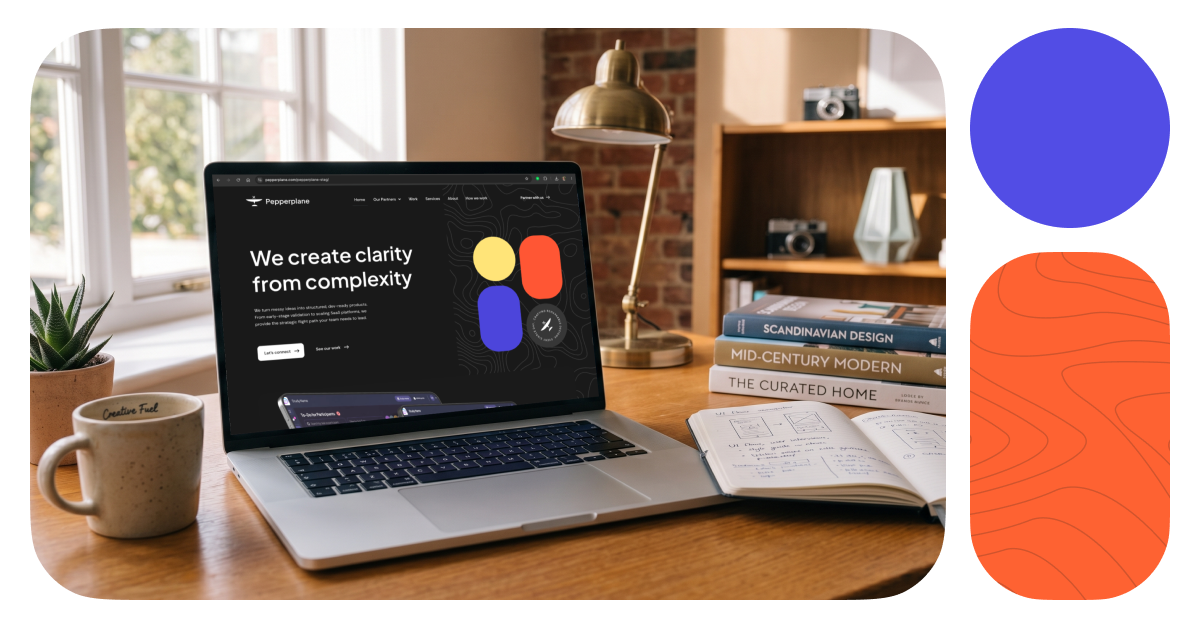
How our internal redesign reinforced why UX is more than just design. Redesigning our own website gave us a chance to experience the same questions, trade-offs, and decisions we help clients work through every day. From positioning and content to design, development, and user experience, here is what we learned