Behind the Solution: How We Got From Problem to Product
A UX Case Study Told From the Client, Team, and User Perspective The final product only shows where the team landed. It doesn’t show the

A UX Case Study Told From the Client, Team, and User Perspective The final product only shows where the team landed. It doesn’t show the
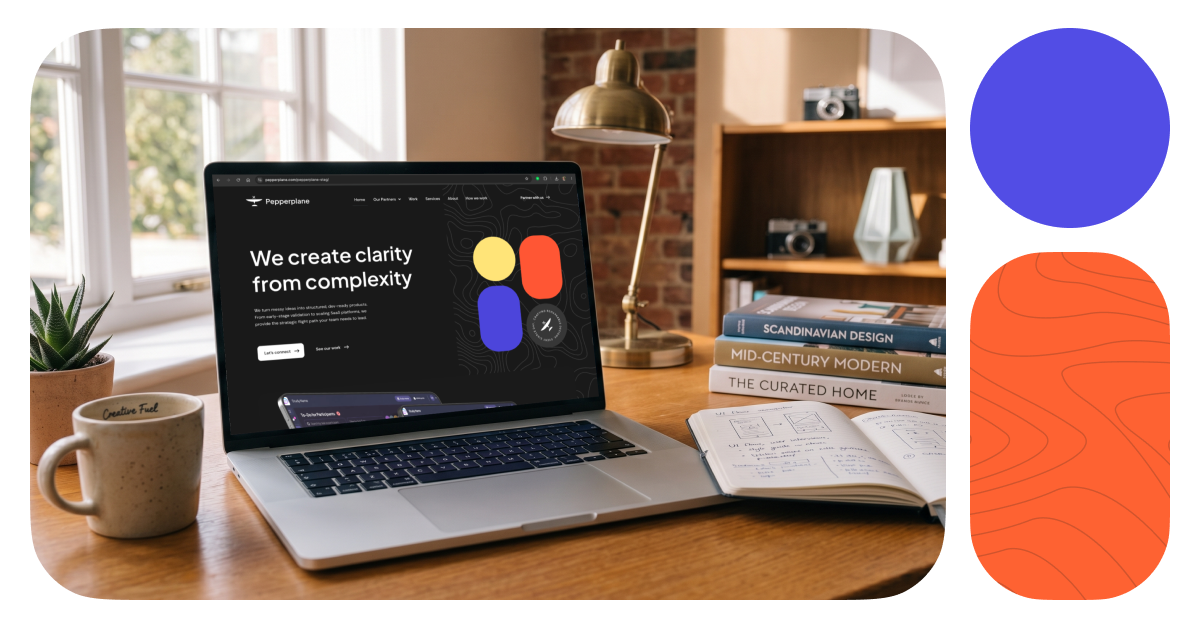
How our internal redesign reinforced why UX is more than just design. Redesigning our own website gave us a chance to experience the same questions,
Why Some of the Most Valuable UX Work Isn’t Particularly Pretty UX portfolios tend to show the polished end of the process: refined interfaces, prototypes,
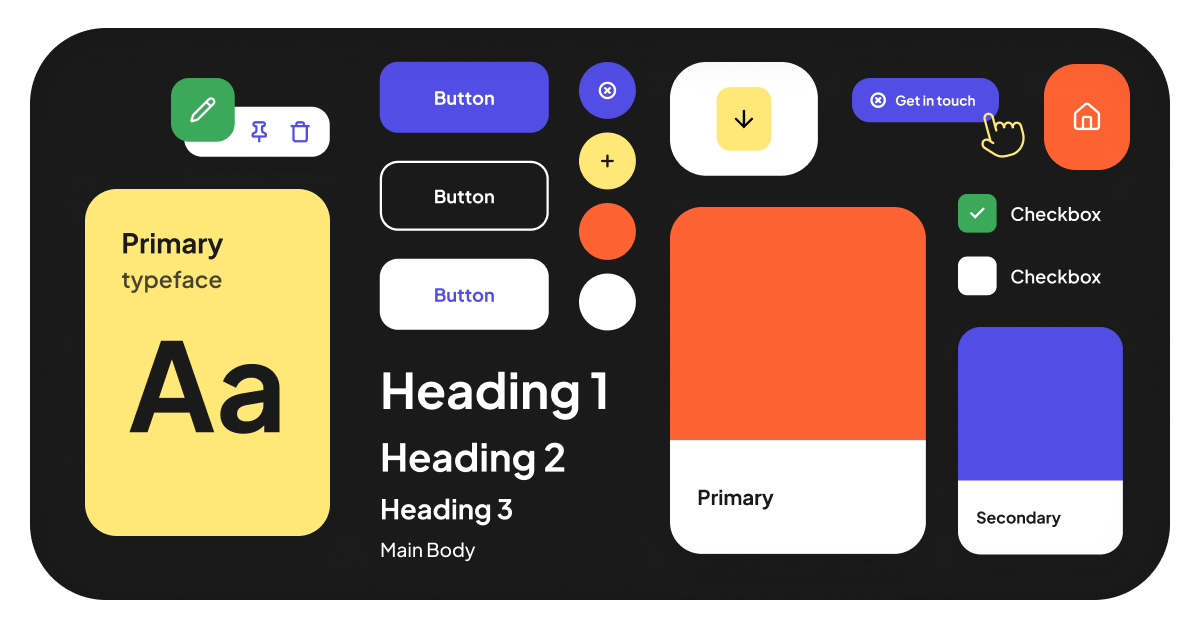
How delivering a structured component library aligns software teams, reduces dev friction, and builds user trust. A Design System is more than just a component
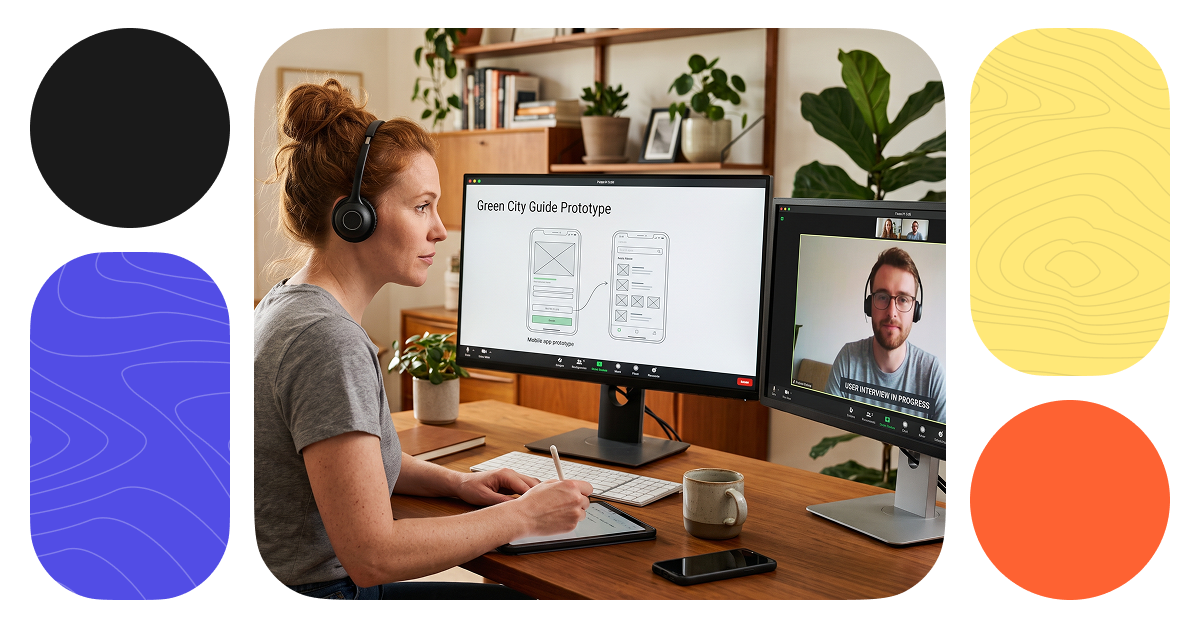
Why the Most Useful Research Insights Aren’t Always the Most Obvious Answers User interviews aren’t about asking people to design the product for us. They’re

Why Some of the Most Important UX Decisions Happen Before Figma Before we start designing screens, we want to understand the world around them. That
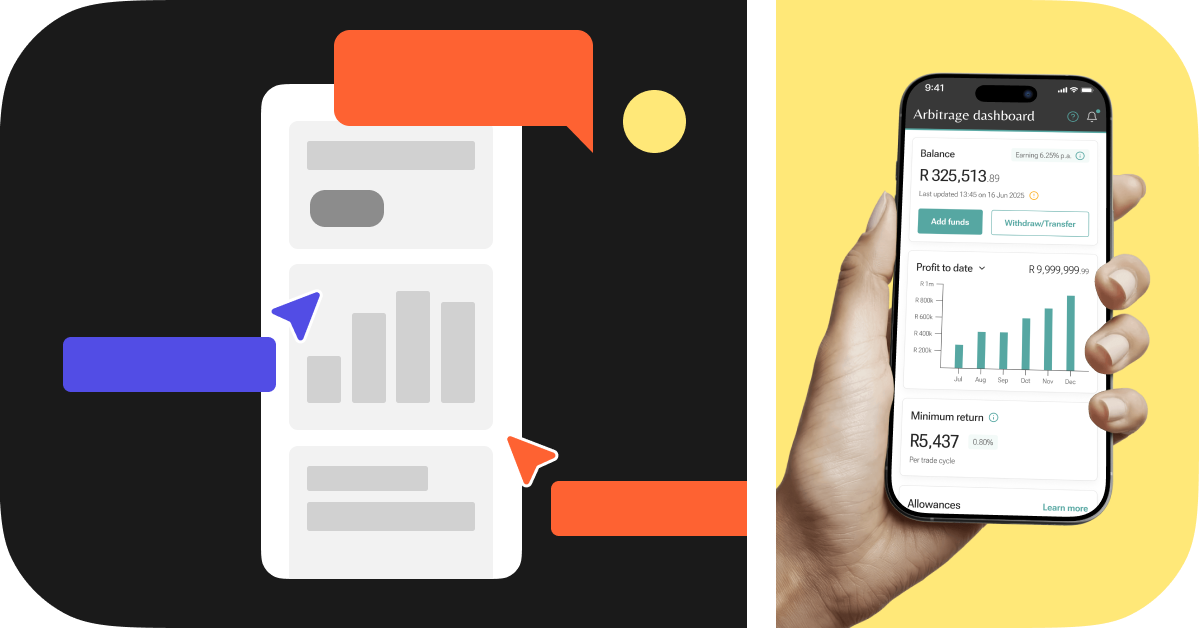
Why Good Design Gets Better Through Questions, Testing, and Iteration Great products rarely start with a perfect idea. More often, they begin with a rough
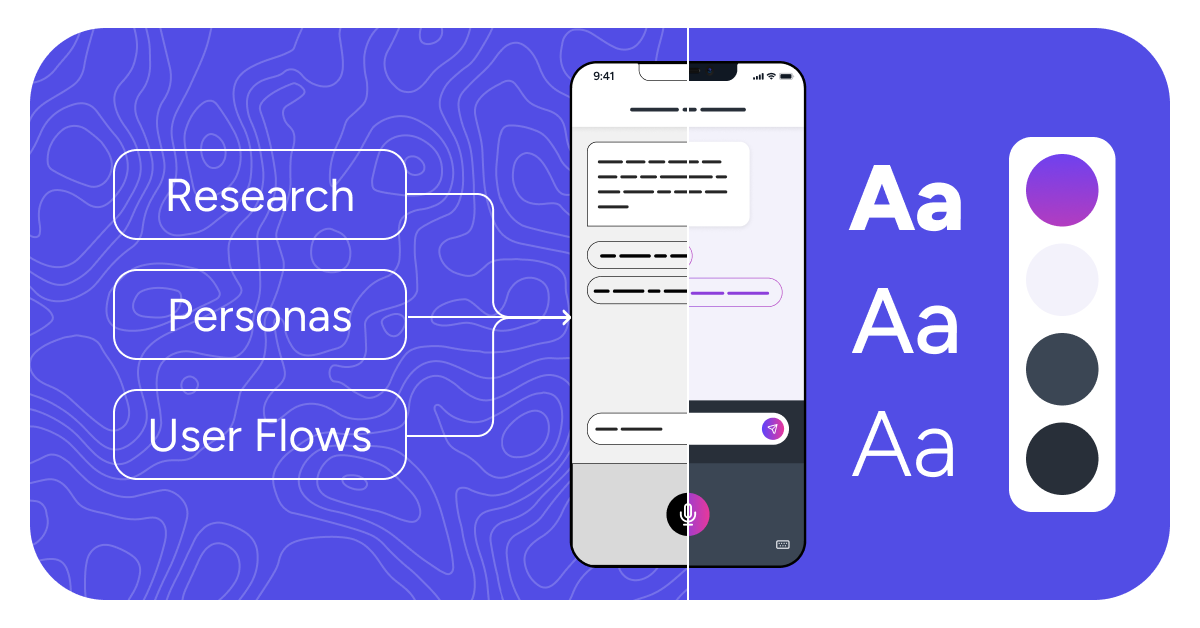
The Polished Screens Are the Smallest Part of the Story When people see a finished interface, they’re seeing the result of dozens of conversations, questions,
For many software agencies, bringing in a UX partner is not about filling a gap. It is about strengthening how projects are structured from the beginning. The right UX partner does more than produce wireframes or UI screens. They help reduce uncertainty, improve delivery flow, and create better outcomes for

For many software agencies, growth looks like more projects, more clients, and more development hours. But more work does not always lead to better work. Agencies that scale sustainably tend to attract a different type of client. They work with organizations that value clarity, product thinking, and long-term outcomes. UX

Design sprints have a bit of a reputation problem in software teams. For some, they feel like a week of sticky notes and abstract exercises that delay development. For others, they look like creative theatre with a big reveal at the end but little real clarity. A well-run design sprint

In many agency timelines, UX is treated like just another phase with a start date, a delivery date, and a handoff before development begins. On paper it looks structured and efficient, but UX is not really a phase. It is the structural layer that shapes how every other stage of

Hint: It’s Not Just Rework Poor UX rarely shows up as a dramatic failure. More often, it quietly increases scope creep, slows velocity, erodes client confidence, and exhausts delivery teams. In this article, we unpack the hidden operational costs of unclear UX and explain why treating design as delivery insurance

Most software agencies don’t struggle with UX because they lack talent. They struggle because their delivery structure leaves no room for UX to do its job properly. In this article, we unpack why dev-led timelines squeeze out early design thinking, how late-stage UX creates unnecessary friction, and what actually changes

In financial products, design choices like color and typography aren’t just about aesthetics – they shape trust, clarity, and decision-making. Here’s how thoughtful visual design helps users feel more confident with their money. The Role of Color and Typography in Financial UX Money is emotional. The way it’s presented –

You don’t need surveys to tell you product-market fit is off – your users already are. Here’s how unclear PMF shows up in the real world, and what UX can do to help you course-correct before growth stalls. “We Thought We Knew Our Users”: What Unclear Product-Market Fit Really Looks