Behind the Solution: How We Got From Problem to Product
A UX Case Study Told From the Client, Team, and User Perspective The final product only shows where the team landed. It doesn’t show the

A UX Case Study Told From the Client, Team, and User Perspective The final product only shows where the team landed. It doesn’t show the
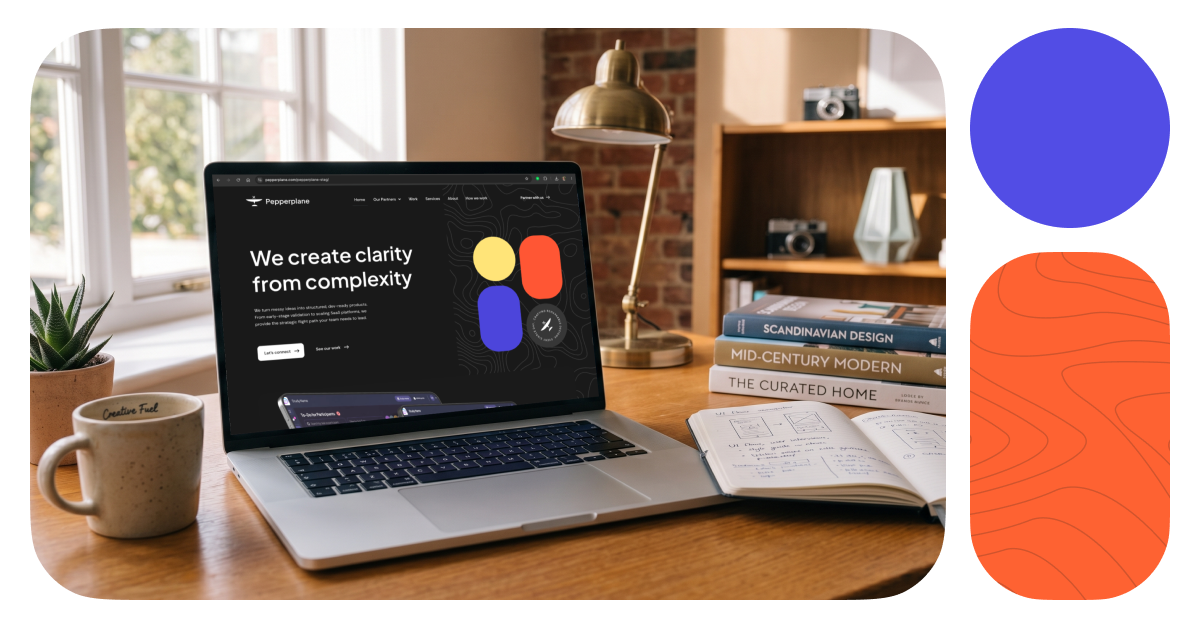
How our internal redesign reinforced why UX is more than just design. Redesigning our own website gave us a chance to experience the same questions,
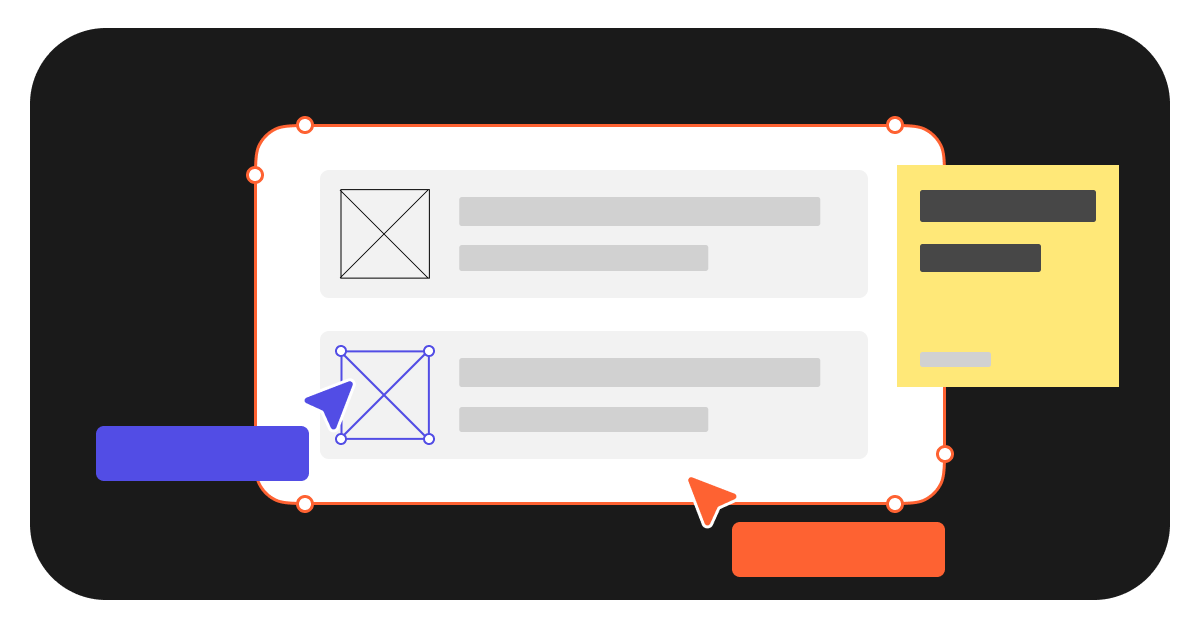
Why Some of the Most Valuable UX Work Isn’t Particularly Pretty UX portfolios tend to show the polished end of the process: refined interfaces, prototypes,
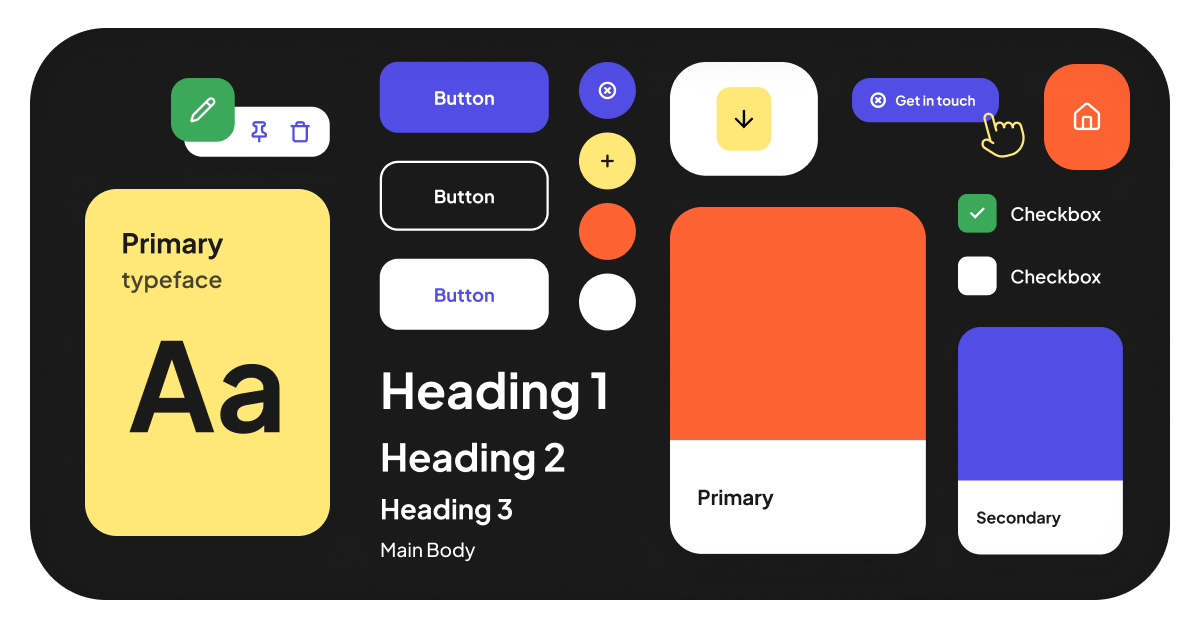
How delivering a structured component library aligns software teams, reduces dev friction, and builds user trust. A Design System is more than just a component
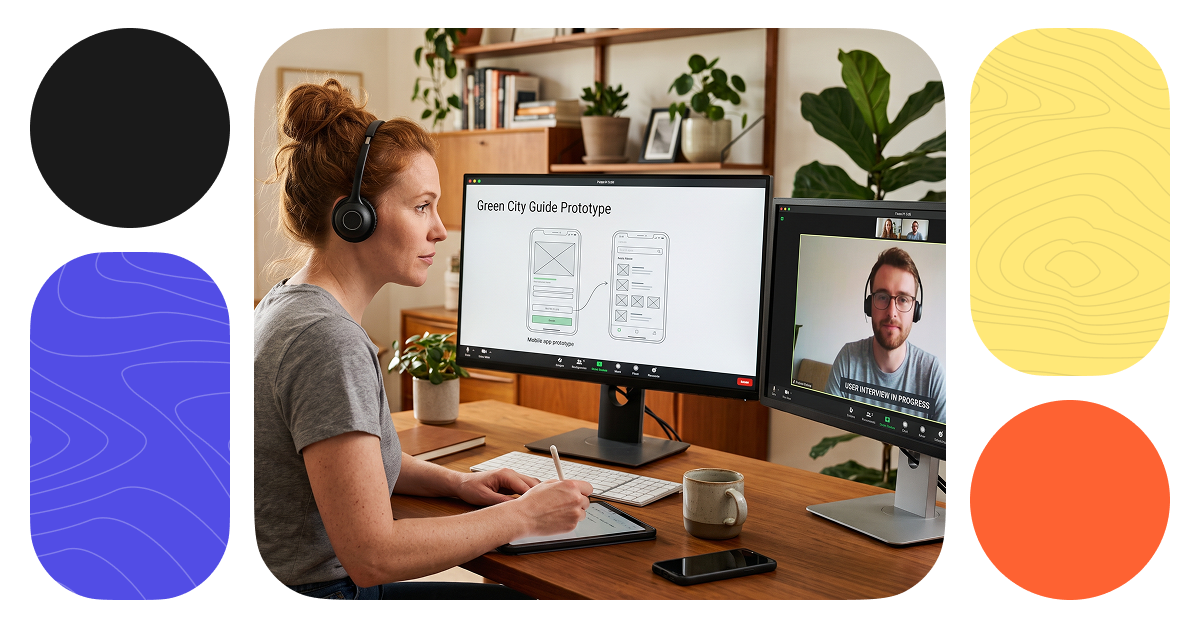
Why the Most Useful Research Insights Aren’t Always the Most Obvious Answers User interviews aren’t about asking people to design the product for us. They’re

Why Some of the Most Important UX Decisions Happen Before Figma Before we start designing screens, we want to understand the world around them. That
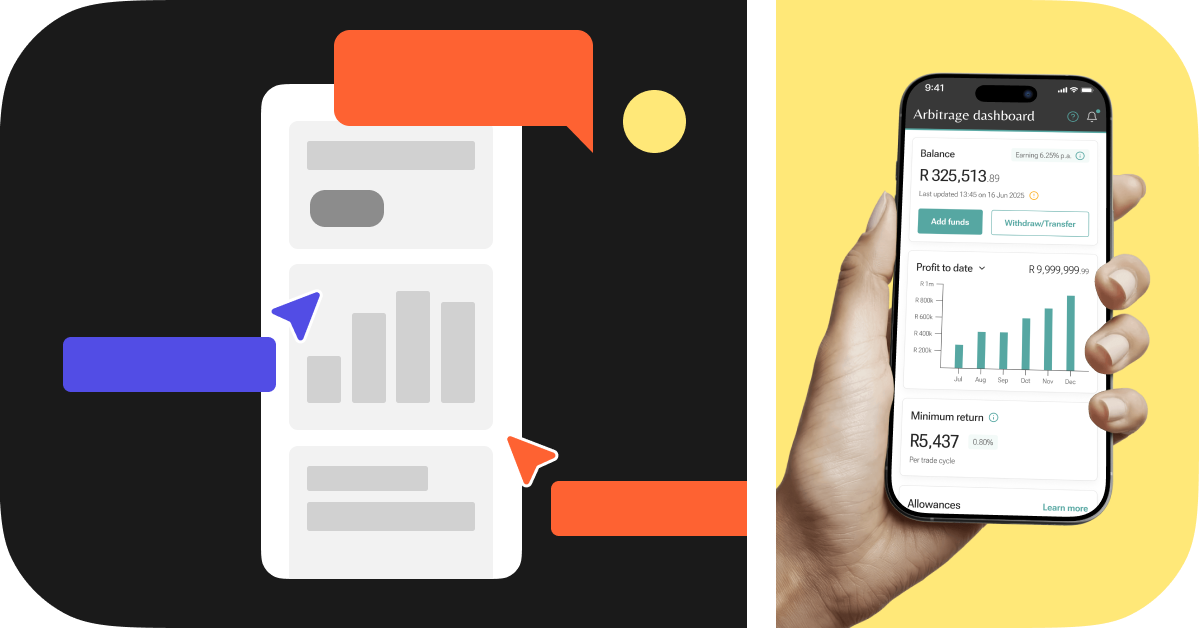
Why Good Design Gets Better Through Questions, Testing, and Iteration Great products rarely start with a perfect idea. More often, they begin with a rough
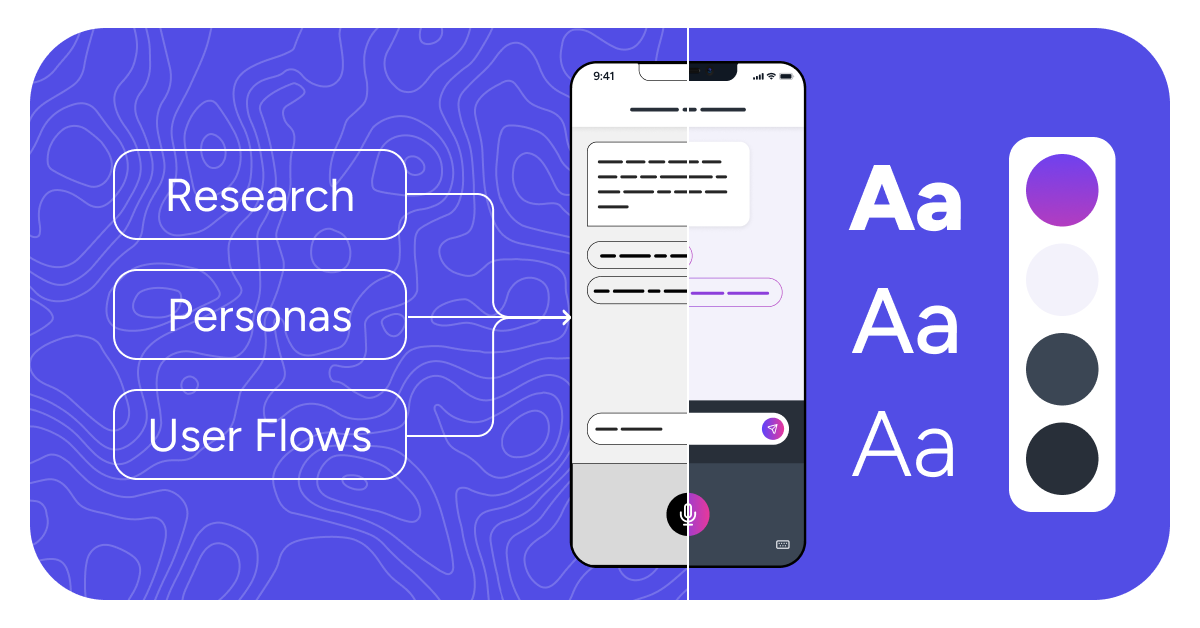
The Polished Screens Are the Smallest Part of the Story When people see a finished interface, they’re seeing the result of dozens of conversations, questions,

Why the Biggest Transformation Isn’t Just the Product. It’s the Way Your Team Works. The impact of UX isn’t always obvious in the first few weeks of a project. While early wins often show up in wireframes, workflows, and clearer requirements, the biggest changes tend to happen over time. Teams

Why Great UX Creates Better Client Relationships Long Before Development Begins Winning better software projects is rarely about having the lowest price or the biggest portfolio. More often, it comes down to the quality of the conversations you have before a proposal is ever written. When UX becomes part of
Why Faster Execution Makes Better Product Decisions More Valuable AI is transforming software development. Teams can build faster, explore ideas more efficiently, and move from concept to implementation at a pace that would have seemed impossible only a few years ago. As execution becomes easier, however, a different challenge becomes
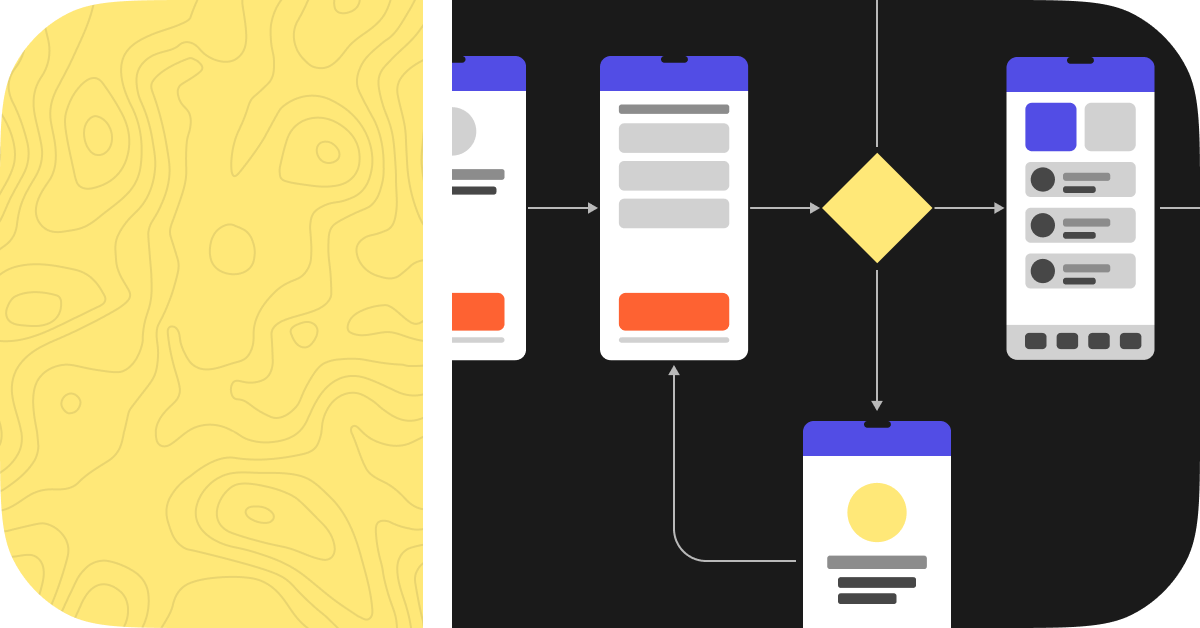
The UX Deliverable That Creates Clarity Long Before Development Begins Screens show what happens. Wireflows show why it happens. While polished UI designs often receive the most attention during product discussions, many developers will tell you that some of the most valuable UX deliverables are the ones that explain how
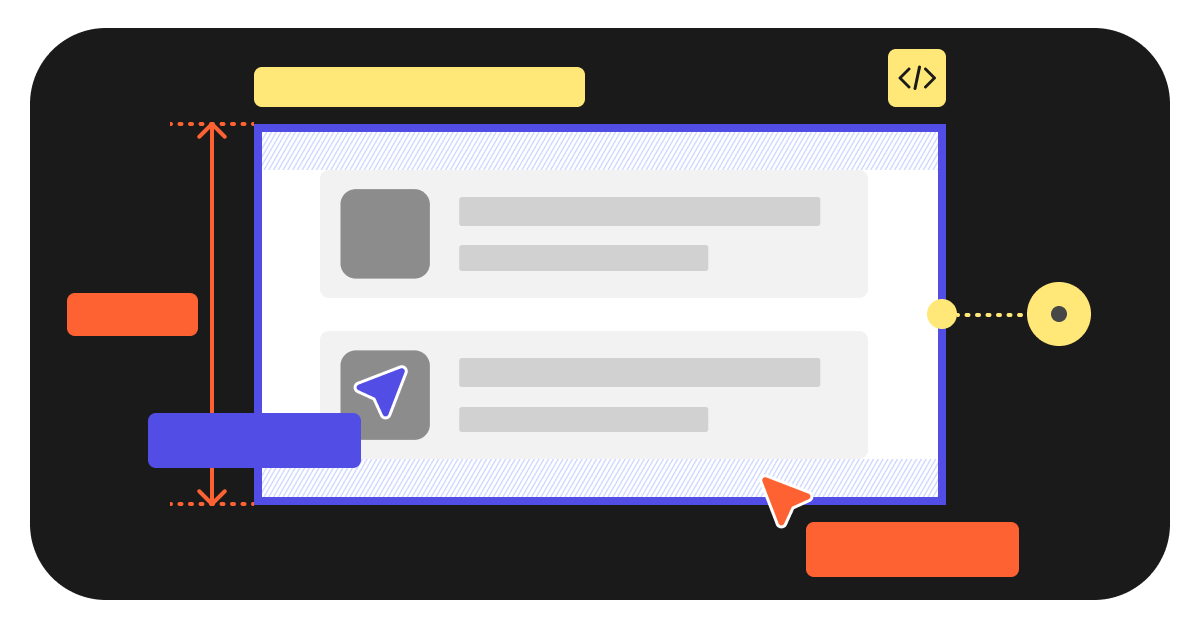
Why Vague Designs Become Expensive Faster in an AI-Assisted Development World Development has changed dramatically over the last few years. AI-assisted coding tools can help teams move from concept to implementation faster than ever before, but while development speed has increased, one thing has not changed: developers still need clarity.

Why the Most Expensive Mistake Is Often Answering the Wrong Question Most software projects do not fail because teams cannot build. They struggle because teams spend months building solutions before fully understanding the problem they are trying to solve. Over the years, we’ve found that a handful of questions consistently
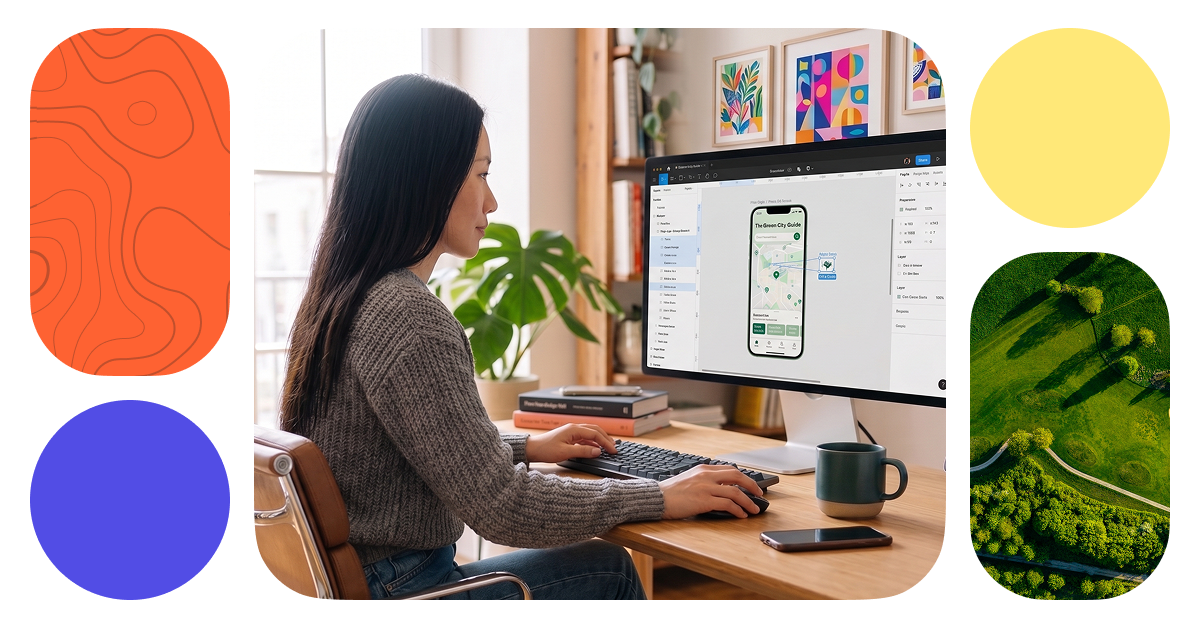
Why the Best Product Teams Focus on Solving Problems, Not Shipping Features Nobody buys software because it has more buttons. People invest in software because they believe it will help them accomplish something important. Whether that means saving time, reducing complexity, increasing revenue, improving efficiency, or creating a better experience
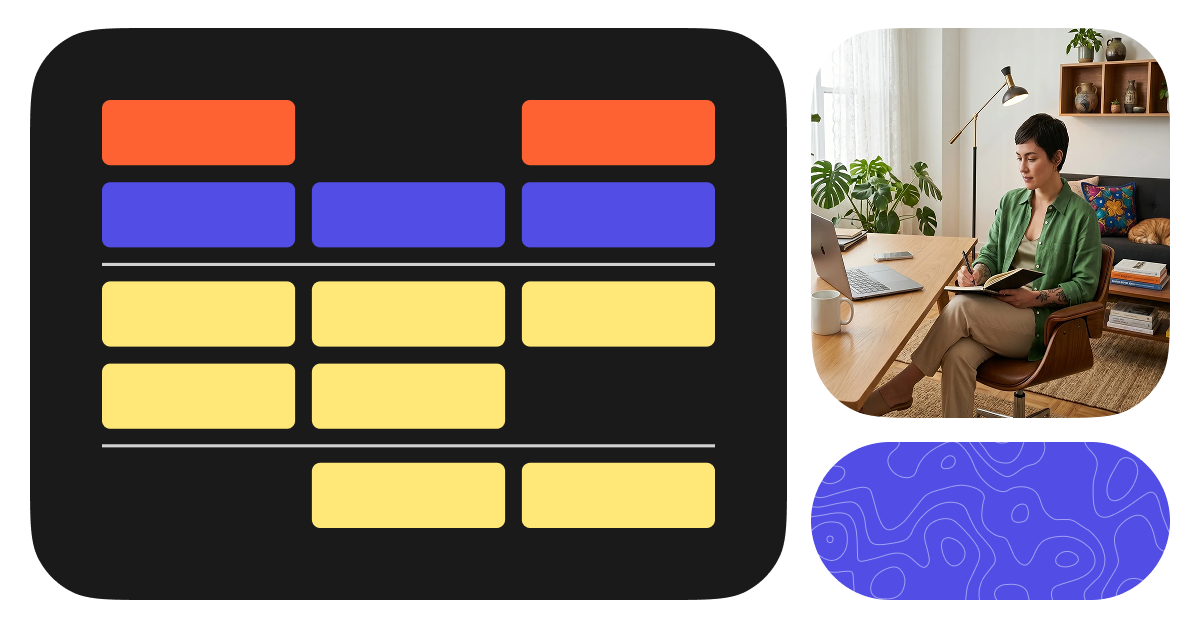
Why Shared Understanding Creates Better Products and More Predictable Delivery Most software projects do not struggle because teams lack talent, effort, or technical expertise. More often, projects become difficult because different people are solving different versions of the same problem. User story mapping is often viewed as a planning exercise,