A Practical Look at How Clarity Changes the Conversation
Before a proposal is written, most software agencies rely on what is available in the moment. A feature list, a timeline, and a high-level understanding of what the client wants to build. In many cases, that is enough to move forward, but it is often also where problems begin. A short, structured pre-sales UX audit can surface gaps, clarify direction, and change how the entire project is positioned from the start.
Where Most Software Proposals Begin Without a UX Audit

In most pre-sales conversations, there is a natural pressure to move quickly. A client arrives with an idea, and the agency gathers what it can in a short amount of time. Requirements are discussed, features are outlined, and a proposal begins to take shape. The goal is to maintain momentum while providing something concrete for the client to respond to.
What often goes unexamined is how much of that proposal is based on assumptions that have not yet been validated. The feature set reflects what the client believes they need. The workflow is inferred. The user is often described in broad terms, and competitive context is rarely explored beyond surface-level references.
This is something we explored in more detail in our article on why UX should start before you win the project, but it becomes especially relevant at this stage. Once these assumptions are written into a proposal, they become harder to question later, particularly once timelines and budgets are attached to them.
What a 30-Minute Pre-Sales UX Audit Actually Evaluates
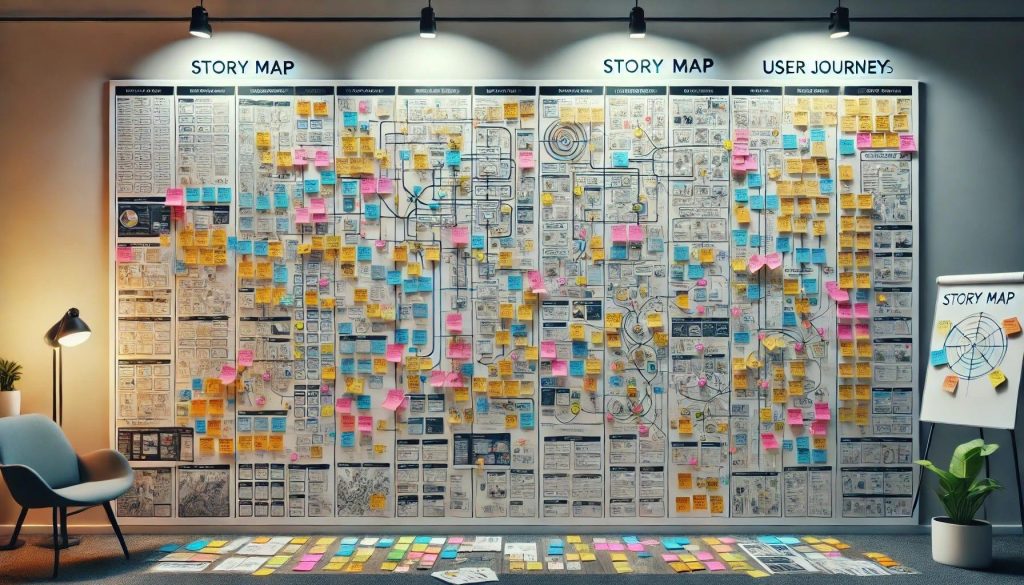
A pre-sales UX audit is not about redesigning the product. It is about understanding what is already being assumed and making that visible before those assumptions turn into commitments.
In a short session, the focus is placed on a few key areas that tend to shape everything that follows. This includes the business goal, where the team looks beyond what is being built and focuses on what success actually means in measurable terms. It also includes the target user, not as a general profile, but in terms of behavior, intent, and how they are expected to move through the product.
The feature set is examined with more scrutiny, as this is often where assumptions accumulate without being fully connected. Features are rarely evaluated in isolation, so understanding how they relate to each other becomes important. Competitive context is also considered, not to replicate what exists, but to understand the expectations users already bring based on similar products.
Individually, these areas are straightforward, but when reviewed together, they reveal how much clarity actually exists before a proposal is written.
How the Pre-Sales UX Audit Is Run

The structure of a pre-sales UX audit is intentionally simple so that it fits naturally into the pre-sales process without slowing it down.
It typically begins with a short asynchronous review, where available materials such as product briefs, early concepts, or existing platforms are assessed in advance. This allows the conversation to start from a more informed place rather than from scratch.
The live portion of the audit is a focused discussion designed to surface assumptions and align on priorities. Rather than functioning as a traditional workshop, it is a structured conversation that helps clarify direction and identify gaps without introducing unnecessary complexity.
The output is concise and practical. Instead of a long report, the result is a short written summary that captures what has been clarified, what remains uncertain, and what should be considered before moving forward with a proposal.
What Comes Out of a Pre-Sales UX Audit
The most valuable output of a pre-sales UX audit is not a set of deliverables, but a clearer understanding of the problem space.
This is often captured in a one-page memo that outlines the business objective, highlights key user considerations, identifies gaps in the feature set, and surfaces potential risks. The goal is not to resolve every detail, but to make the current state visible and grounded in shared understanding.
For agencies, this becomes a practical reference point. Instead of building a proposal from scattered inputs, the team is working from a structured view of what has been clarified and what still needs attention.
How a Pre-Sales UX Audit Improves Proposal Conversion

The impact of a pre-sales UX audit becomes most visible in how proposals are received and evaluated.
Without this level of clarity, proposals are often compared based on surface-level factors such as timeline, cost, and perceived scope. When clarity is introduced earlier, the conversation shifts toward how well the problem has been understood and how thoughtfully the solution has been shaped.
Clients begin to respond not just to what will be delivered, but to the level of thinking behind it. This creates a stronger sense of confidence in the approach and reduces uncertainty on both sides.
Over time, this also changes the type of conversations agencies have. Clients who value clarity tend to engage more deeply, while those looking for speed alone may not continue. Both outcomes improve alignment and lead to more predictable projects.
What This Looks Like in Practice

In one engagement, a product team approached with a clearly defined feature set and a tight timeline. On the surface, the scope appeared ready for development, and there was a strong push to move forward quickly.
During a short pre-sales UX audit, several gaps became visible. The primary user flow did not fully align with how users were expected to interact with the system. Some features overlapped in ways that could create confusion, and competitive patterns suggested expectations that had not yet been considered.
Rather than moving directly into development, the team used this insight to clarify direction before committing to the proposal. This did not extend the timeline, but it shifted where effort was applied.
When development began, the team encountered fewer interruptions. Decisions had already been made with more context, and the need for mid-sprint clarification was reduced. The overall process felt more stable, even as complexity increased.
When a UX Audit Becomes a Competitive Advantage
For software agencies, a pre-sales UX audit is not just a research step. It becomes part of how the agency differentiates itself.
When proposals are built on structured thinking rather than assumptions, they communicate a different level of confidence. Clients are not only evaluating delivery, but how clearly the problem has been understood.
Over time, this shifts how agencies are perceived. Instead of being selected based on speed or cost, they are chosen for clarity and direction. That shift has a direct impact on both proposal conversion and long-term client quality.
Final Thought
A pre-sales UX audit does not attempt to solve the entire product, but it creates a more reliable starting point by making assumptions visible before they become commitments.
This shift influences how proposals are written, how clients evaluate them, and how projects begin. It allows teams to move forward with greater confidence, knowing that key decisions have been examined early rather than deferred.
If you are exploring ways to bring more clarity into your pre-sales process, this is often where it starts.
You can explore some of our recent work here: https://pepperplane.com/work/
If it feels relevant to your current pipeline, you can book a discovery call and we can take a closer look at how this approach might fit into your process.