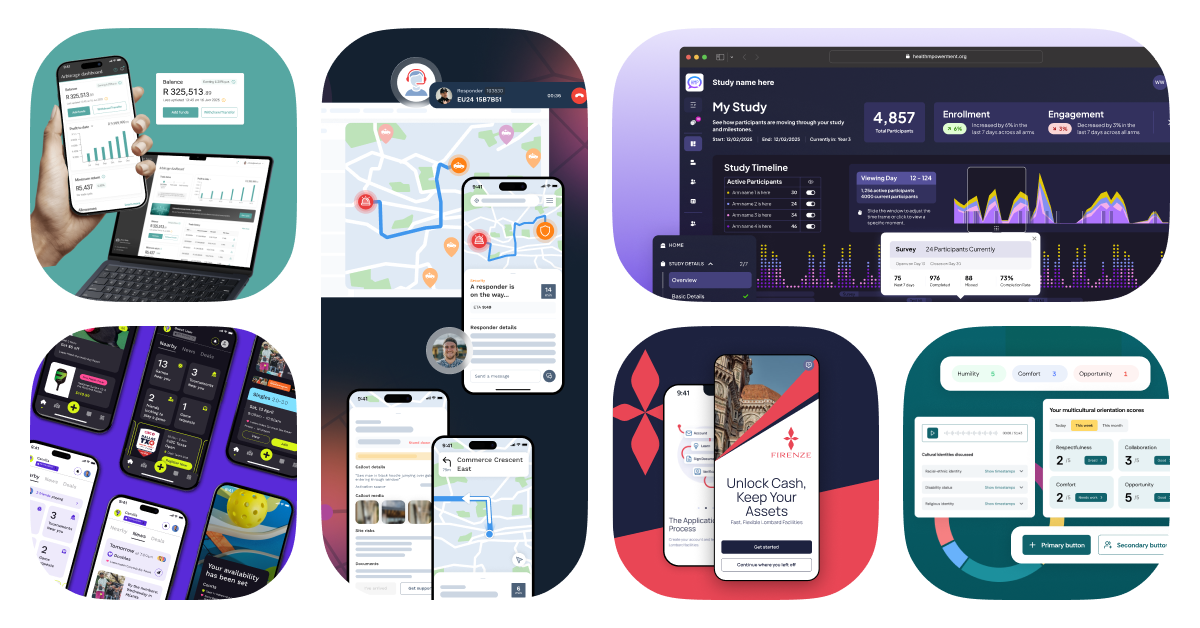
The Hidden Sales Tool Most Agencies Ignore
Why Every Project You Deliver Is Also Your Next Sales Conversation Most agencies invest heavily in marketing, networking, and business development to attract new clients.

Why Every Project You Deliver Is Also Your Next Sales Conversation Most agencies invest heavily in marketing, networking, and business development to attract new clients.

Why UX Improves Team Collaboration Before It Improves the Product When organizations invest in UX, they often expect to see improvements in the product itself.
Why UX Improves Client Relationships as Much as It Improves Products When people think about the value of UX, they often focus on the product.

Why the Biggest Wins Often Happen Behind the Scenes When teams invest in UX, they often expect success to be measured by a polished interface
Why Great UX Creates Value Long After a Project Is Delivered When teams invest in UX, the immediate goal is usually to improve a single

Why the Best Agency Relationships Are Built on Better Questions, Not Better Deliverables Most software agencies don’t set out to become vendors, yet many unintentionally

When Everyone Can Build Faster, Better Thinking Becomes the Competitive Advantage Artificial intelligence is changing the way software gets built. Development is becoming faster, production

Why Great Discovery Conversations Focus on Outcomes, Not Just Features The quality of a software project is often shaped long before a proposal is written
A UX Case Study Told From the Client, Team, and User Perspective The final product only shows where the team landed. It doesn’t show the questions the client was trying to answer, the decisions the design team had to make, or the moments where user needs changed the direction entirely.
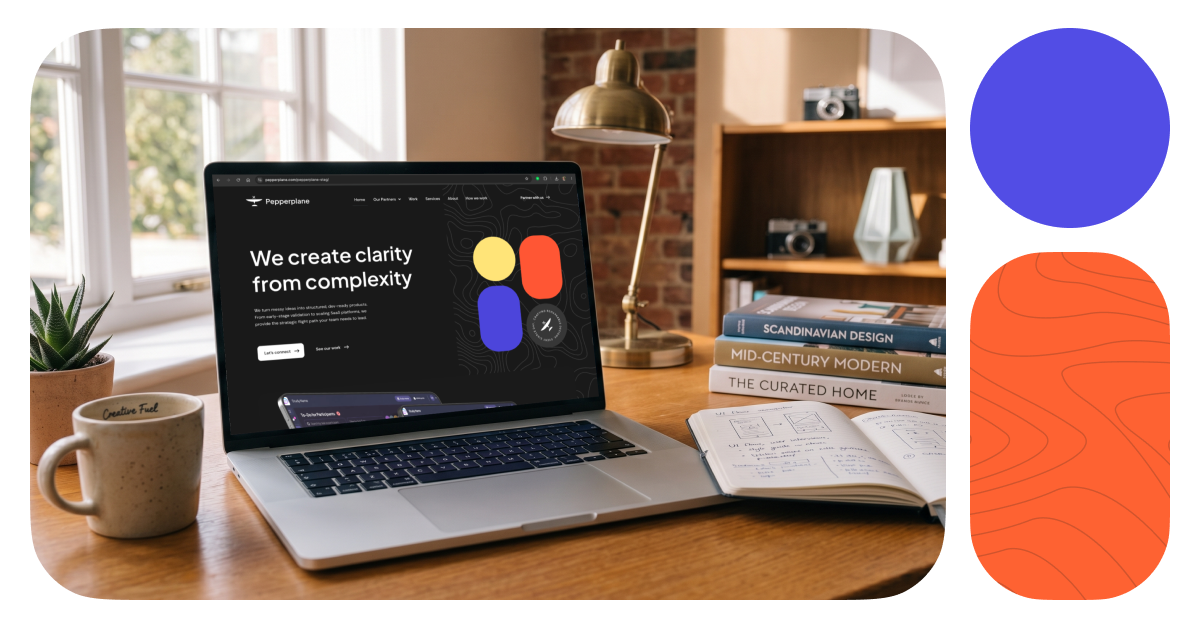
How our internal redesign reinforced why UX is more than just design. Redesigning our own website gave us a chance to experience the same questions, trade-offs, and decisions we help clients work through every day. From positioning and content to design, development, and user experience, here is what we learned
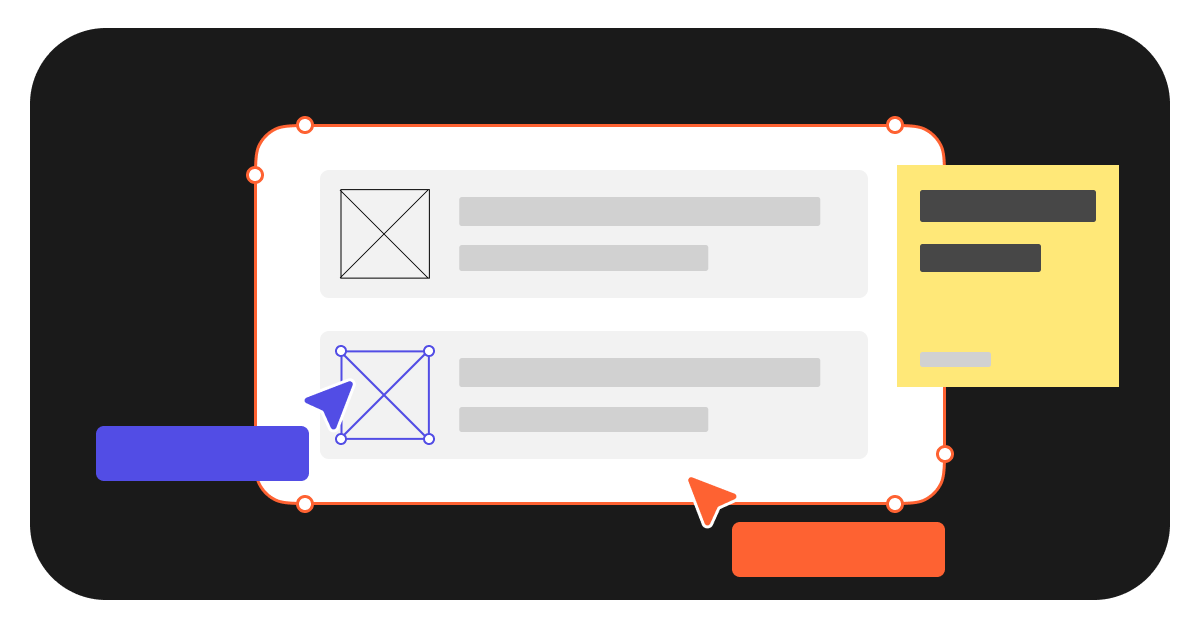
Why Some of the Most Valuable UX Work Isn’t Particularly Pretty UX portfolios tend to show the polished end of the process: refined interfaces, prototypes, and beautifully presented case studies. What they rarely show are the workshop notes, research synthesis, rough sketches, discarded flows, and decision logs that helped the
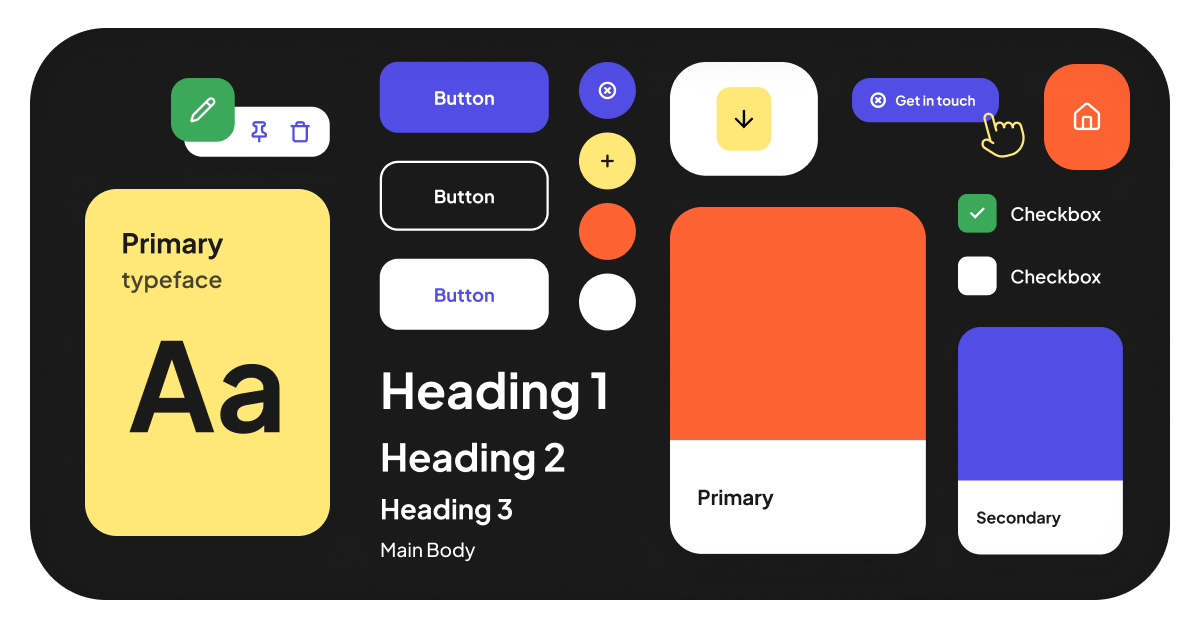
How delivering a structured component library aligns software teams, reduces dev friction, and builds user trust. A Design System is more than just a component library – it’s the key to eliminating handoff friction, scaling UI consistency, and accelerating development across growing teams. For small, one-person projects, consistency is rarely
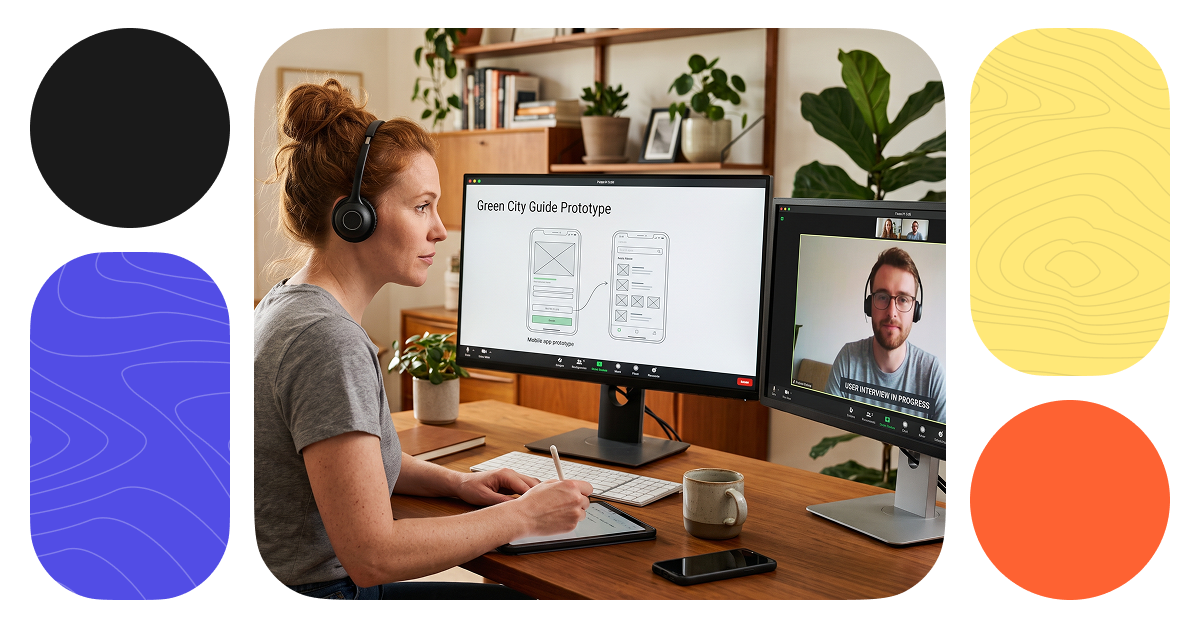
Why the Most Useful Research Insights Aren’t Always the Most Obvious Answers User interviews aren’t about asking people to design the product for us. They’re about understanding how people think, what they’re trying to accomplish, where they struggle, and how their real experiences compare with what the team believes to

Why Some of the Most Important UX Decisions Happen Before Figma Before we start designing screens, we want to understand the world around them. That means talking with stakeholders and users, reviewing existing products and workflows, identifying where people are struggling, and questioning assumptions that may have shaped the original
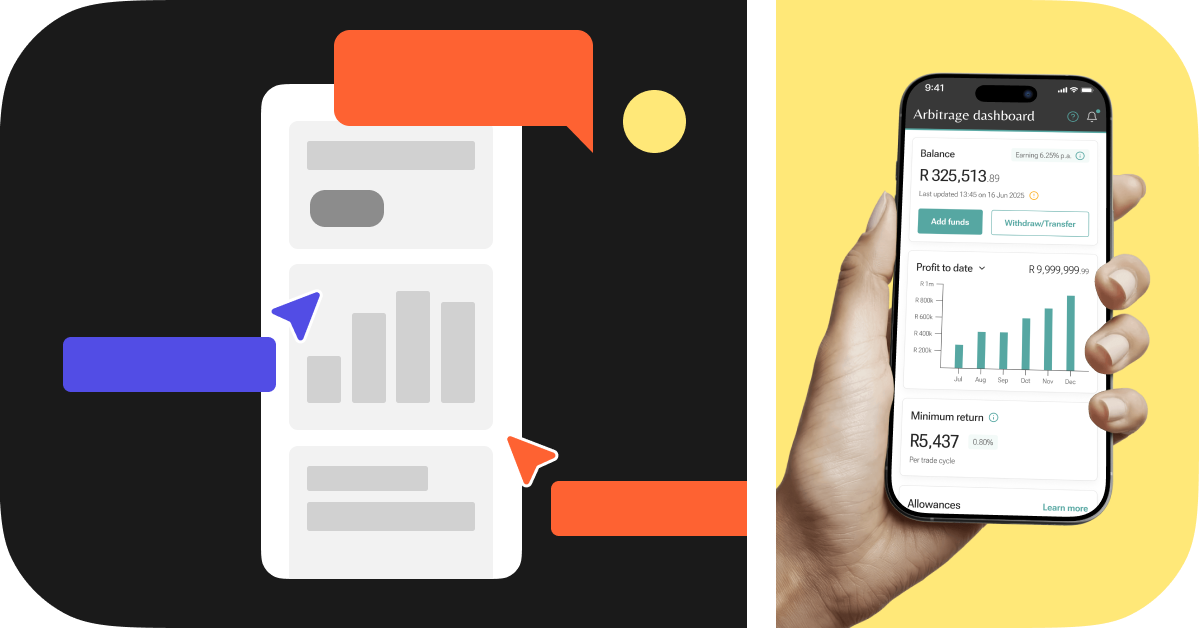
Why Good Design Gets Better Through Questions, Testing, and Iteration Great products rarely start with a perfect idea. More often, they begin with a rough concept that gets questioned, tested, challenged, and improved over time. The design process is less about getting everything right on the first try and more
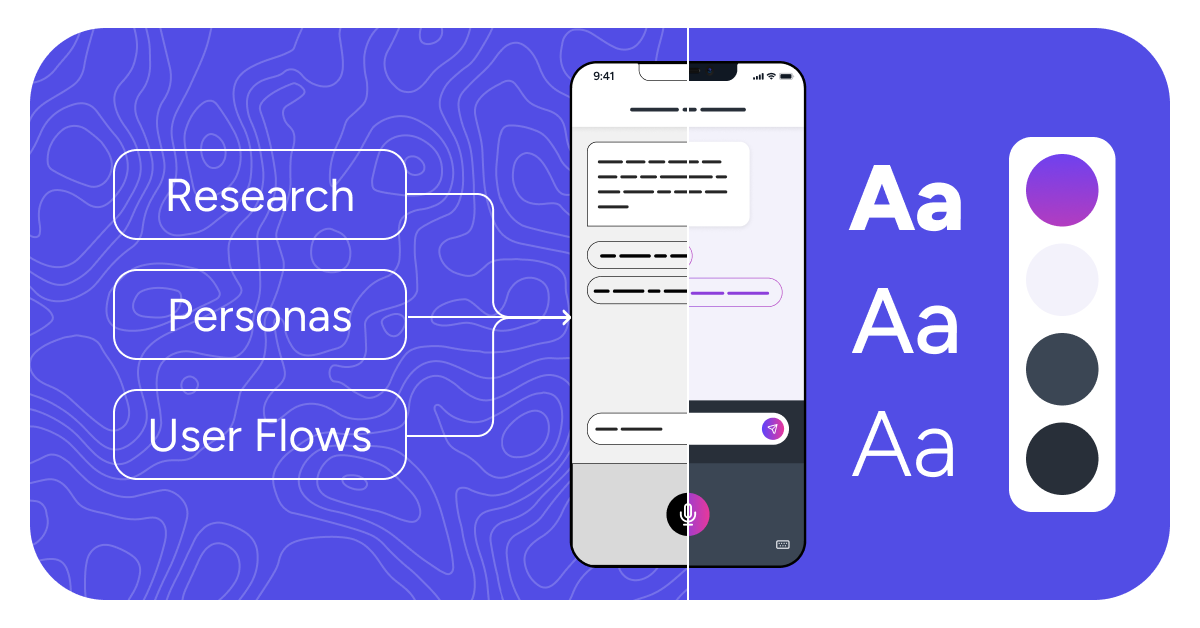
The Polished Screens Are the Smallest Part of the Story When people see a finished interface, they’re seeing the result of dozens of conversations, questions, sketches, decisions, and iterations that happened long before the UI took shape. The polished screens matter, but they’re only one part of UX. Much of